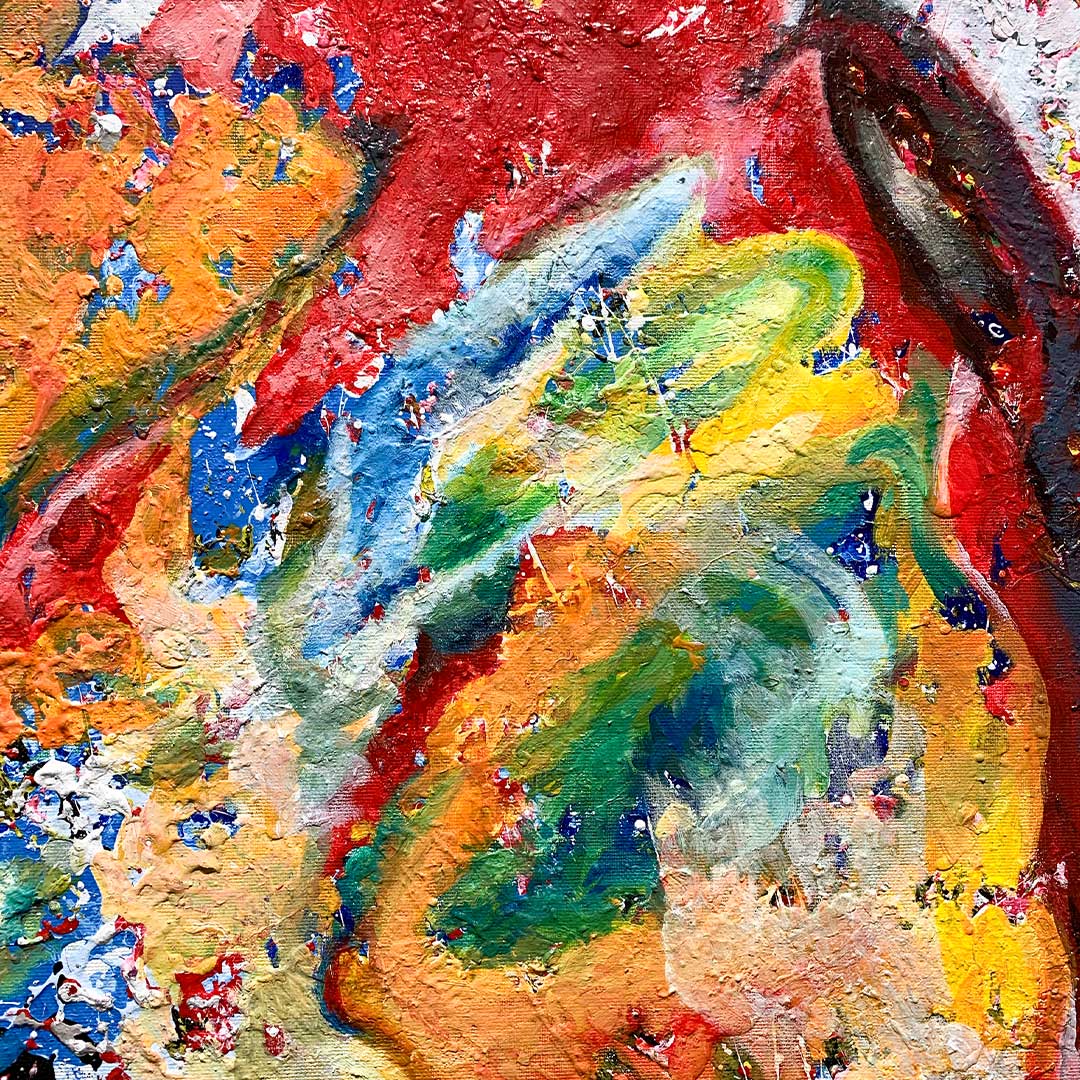
藤元明
ついに太陽をつかまえた
March 6 – 24, 2026
1:00pm – 7:00pm(Last day until 5:00pm)
MEDEL GALLERY SHU HIBIYAでは、3月6日より3月24日まで、現代美術アーティストの藤元明の個展「ついに太陽をつかまえた」を開催いたします。
藤元は、東京藝術大学美術学部大学院修了し、エネルギーを根底とした環境・社会現象をモチーフに、様々な方法で絵画作品やインスタレーション、アートプロジェクトを展開している気鋭のアーティストです。2015年より都市の隙間をアーティスト活動の場として活用する『ソノ アイダ』の主催者としても広く知られています。
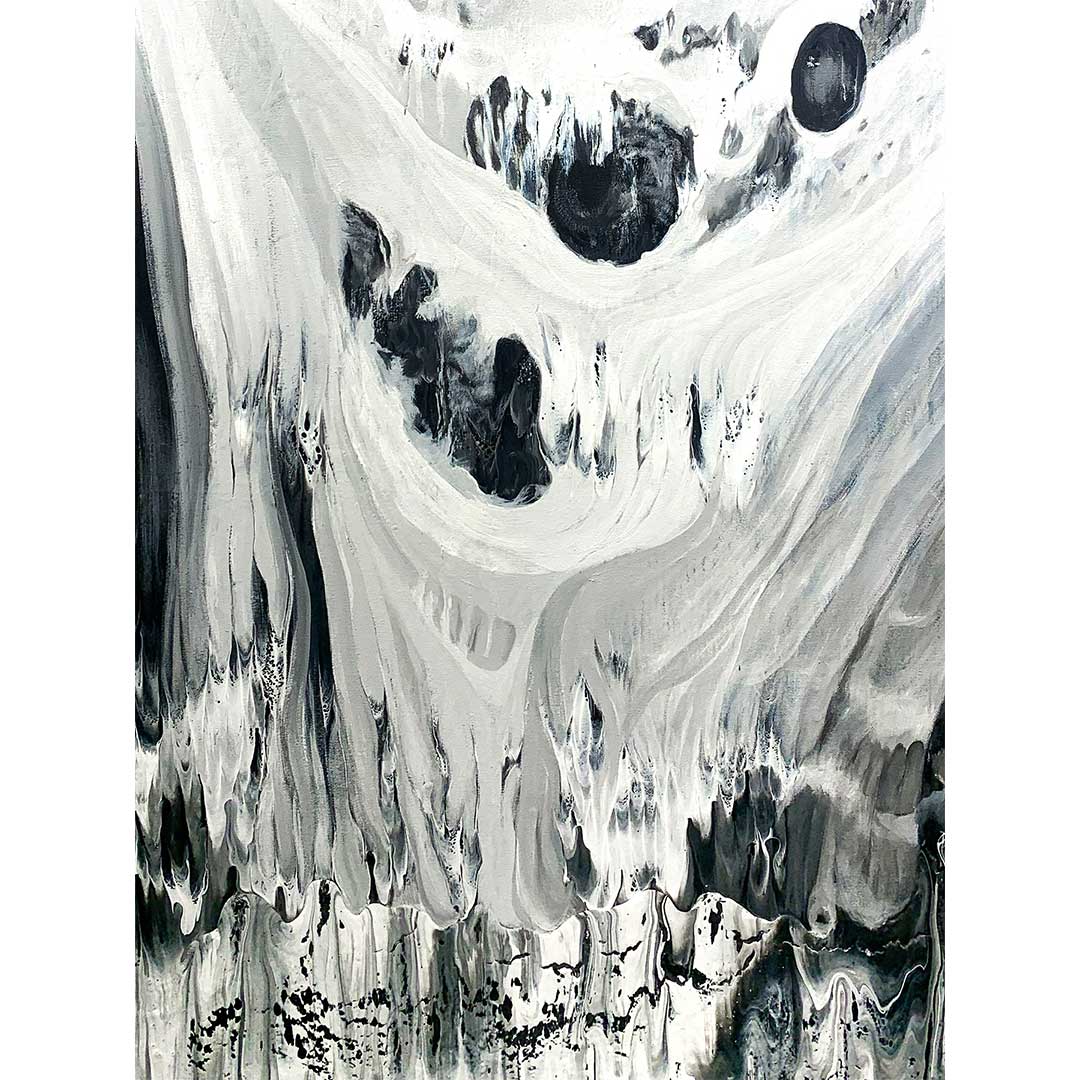
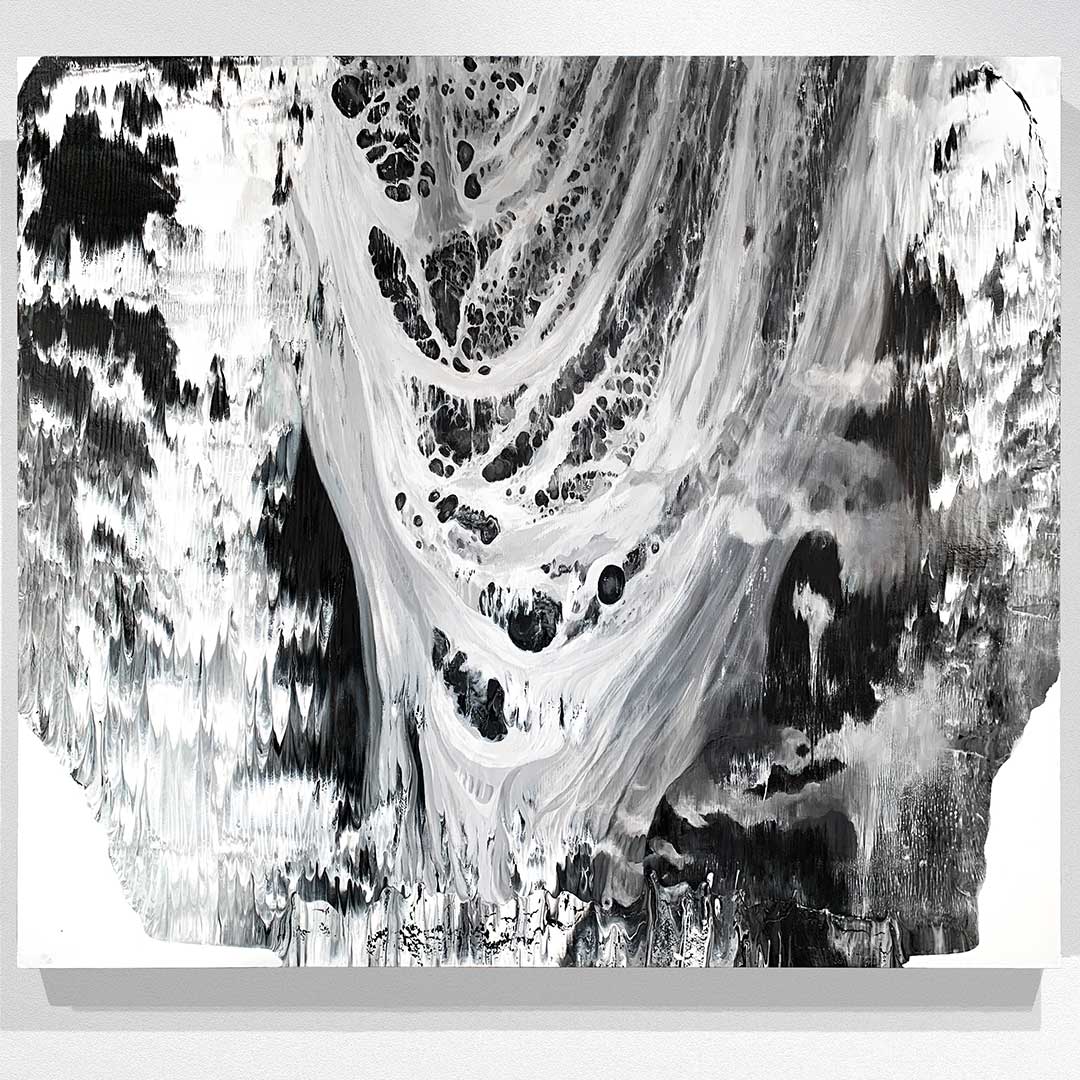
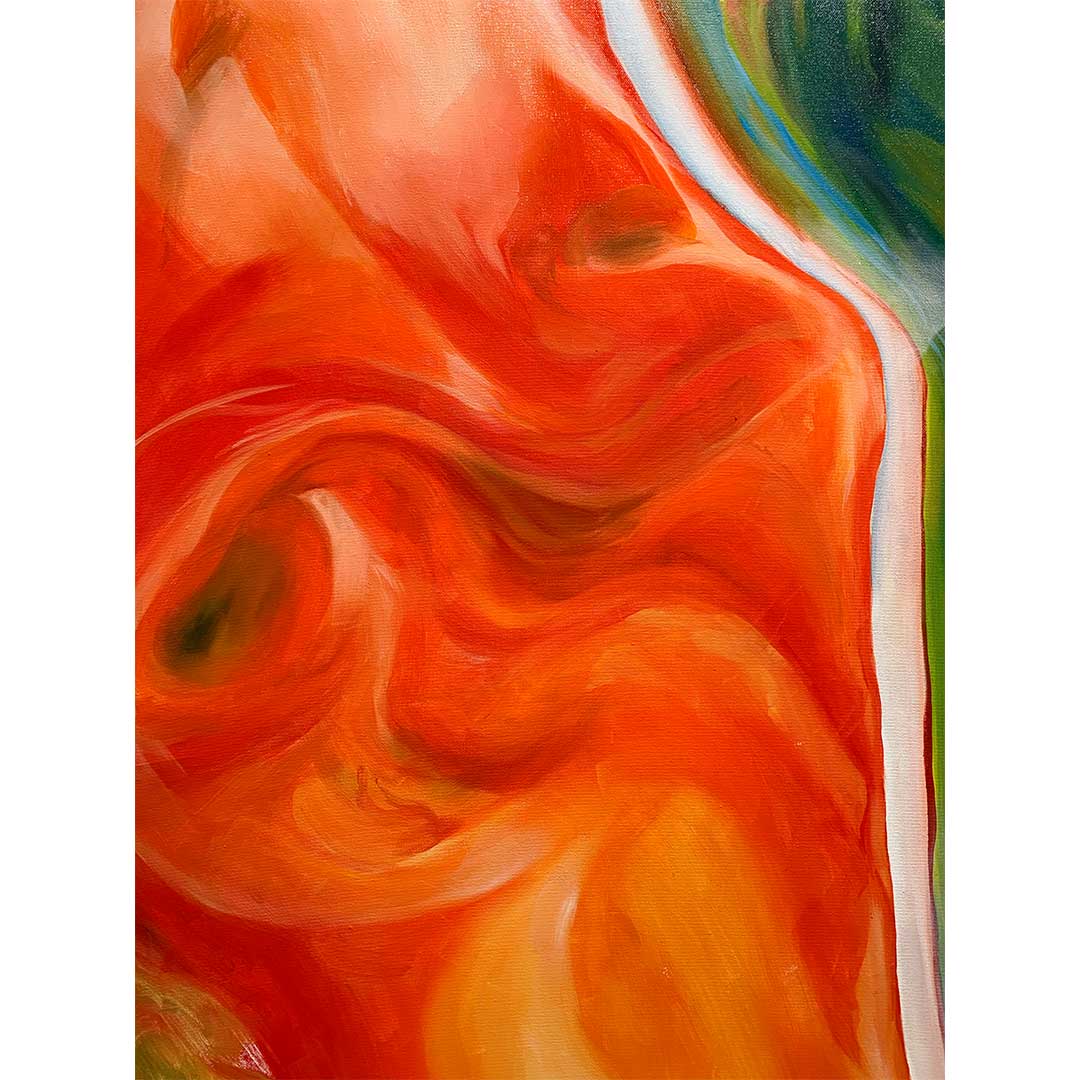
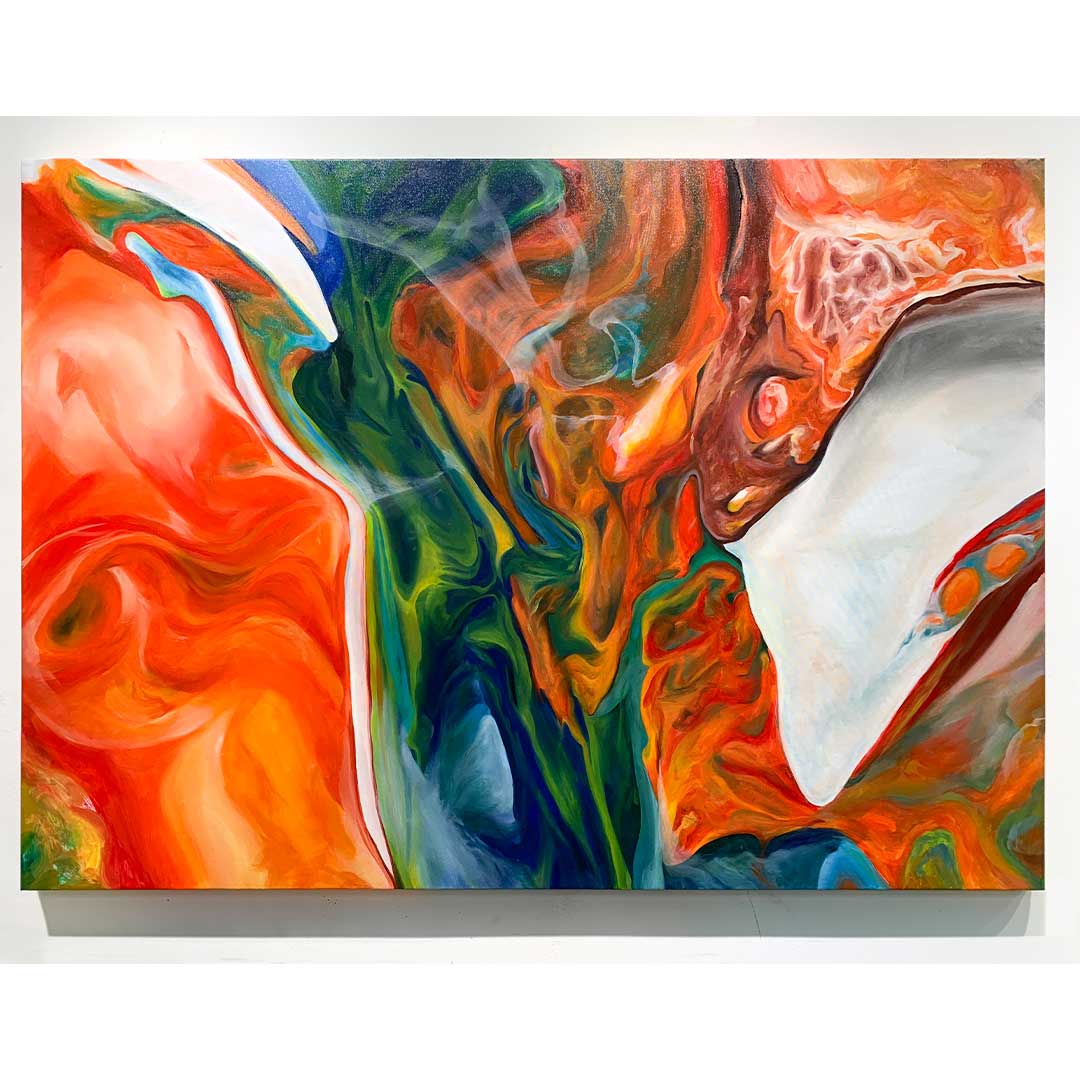
本展『ついに太陽をつかまえた』では、これまでの活動・社会実践の思考を素材に、言語化不能なズレや残渣に着目し、永久機関(エネルギーの拡張)をモチーフにした絵画「Perpetual Energy」シリーズを中心とした、過去の作品と合わせ編集・構成しています。
ついに太陽をつかまえた
「地球上で用いられている一切の力は、太陽中で起こる原子核反応より導き出されるものである。ニューメキシコの荒野に発生したその原子核反応は、別種のものであり、まったく異なる方法で人間の制御下に置かれるものなのである。」
ロバート・オッペンハイマー (原子力時代 / 1949年)
本展タイトル「ついに太陽をつかまえた」は、読売新聞社説で連載され、1954年に出版された書籍のタイトル「ついに太陽をとらえた -原子力は人を幸福にするか-」からインスパイヤされている。この本は「原子力平和利用が人類に幸福をもたらす未来なので、理解し制御・管理していこう」という内容。背景には、1950年代アメリカ(アイゼンハワー政権)のプロパガンダ「Atoms for Peace(平和のための原子力)」があり、原子力を「恐怖の兵器」から「人類の友」へと転換する国策キャンペーンである。そのなかでディズニーによる「Our Friend the Atom」という教育のためTV番組・書籍)が有名である。日本でも、プロパガンダではないが「鉄腕アトム」(手塚治虫)など科学技術礼賛の時代潮流のなか、原子力平和利用の意識は浸透した。当時日本の産業側の課題は明確で、原爆の記憶(広島・長崎)が残りつつも、原発導入は国家戦略として不可避であった。1970年、大阪万博は「原子力プロパガンダ」の巨大な物語装置としての祝祭であり、多くの国民が参加し、原子力を「兵器」から「希望」に再定義した。その中で太陽の塔(岡本太郎)は、完全に明るい未来像は「嘘っぽいぞ」と、少しの不安を残すガス抜き装置として機能した。そして「不安の証拠」として残された。この物語は、皮肉にも想定していなかった2011年の福島第一原発の事故、失敗の現実によって空白が埋められ、完成した。
近代以降、エネルギーは「未来」「希望」などを掲げ、社会をドライブし、戦争や環境問題含め、絶え間なく世界を巻き込んできた。現在も増え続けるエネルギー需要と消費量、化石燃料の増産、急拡大する再生可能エネルギー、エネルギー安全保障の観点から新設増加する原子力発電所。エネルギーの扱いは、前出のように、時代様相をそのまま表象し、権益、大嘘、失敗、矛盾を見せてくれる。それでも我々は、太陽(エネルギー)をつかまえられると信じみ前進するしかないのか、振舞いの是非は次世代にしかわからない。
私は、この社会基盤であるエネルギーをめぐる社会現象や人の性に興味があり、これらをテーマに物理現象として作品やアートプロジェクトを展開してきた。プロジェクトでは主に具体的に見えるものを扱い「問い」の理解を深めようと試みている。本展『ついに太陽をつかまえた』では、これまでの活動・社会実践をもとにした、言語化不能なズレや残渣をモチーフに、絵画表現によって見えないものを可視化しようと試みる。永久機関(エネルギーの拡張)をモチーフにした絵画「Perpetual Energy」シリーズを中心に、過去の作品と合わせ編集・構成する。
藤元明
現代社会の重要課題と言えるエネルギー問題に、アートを通じて本質を捉えようとする作品展示にご期待ください。
MEDEL GALLERY SHU HIBIYA is pleased to present “Finally, We Caught the Sun”, a solo exhibition by contemporary artist Akira Fujimoto, on view from March 6 to March 24.
Fujimoto completed his graduate studies at Tokyo University of the Arts and is an emerging artist whose practice centers on environmental and social phenomena rooted in energy. Through painting, installation, and large-scale art projects, he explores the structures and narratives surrounding energy in contemporary society. Since 2015, he has also been widely recognized as the founder of “Sono Aida,” an initiative that activates urban interstitial spaces as platforms for artistic practice.
In this exhibition, “Finally, We Caught the Sun,” Fujimoto re-edits and reconfigures past works together with his ongoing painting series Perpetual Energy, which takes the motif of a perpetual motion machine—symbolizing the expansion of energy. Drawing from years of artistic activity and social engagement, the exhibition uses ineffable disjunctions and residues—those elements that resist language—as its conceptual material.
The exhibition title is excerpted from a 1954 book serialized in a Yomiuri Shimbun editorial column: Finally, We Caught the Sun – Will Nuclear Power Bring Happiness to Humanity? The book promoted the peaceful use of nuclear energy as a path toward human prosperity. Behind this narrative lay the American propaganda campaign “Atoms for Peace” under the Eisenhower administration, which sought to transform nuclear power from a “weapon of fear” into a “friend of humanity.” Disney’s educational television program and publication Our Friend the Atom became symbolic of this effort.
In Japan, although not overt propaganda, works such as Osamu Tezuka’s Astro Boy reflected an era of technological optimism in which the peaceful use of nuclear power became embedded in the cultural imagination. Despite lingering memories of Hiroshima and Nagasaki, the introduction of nuclear energy was positioned as an unavoidable national strategy. The 1970 Osaka Expo functioned as a monumental narrative device for nuclear optimism, redefining atomic energy from “weapon” to “hope.” Within that celebratory framework, Taro Okamoto’s Tower of the Sun subtly introduced an element of unease, preventing the vision of a radiant future from appearing entirely false. Ironically, this grand narrative was completed decades later by the unforeseen reality of the Fukushima Daiichi nuclear disaster in 2011. While the story of energy is not solely tragic, we inevitably participate in it with both expectation and anxiety.
Energy—whether derived from fossil fuels, nuclear power, or renewable sources—is fundamentally the transformation of solar energy for human purposes. Invisible, yet constantly mobilized, consumed, and dissipated, energy has shaped wars, environmental crises, and geopolitical ambitions since the Industrial Revolution. The way societies handle energy reflects the spirit and contradictions of each era.
Fujimoto has long been fascinated by the social phenomena and human impulses that surround this foundational infrastructure. Through repeated projects, his thinking has evolved. In this exhibition, he translates these accumulated reflections into color, form, and color fields, giving visual expression to intangible displacements and residual traces. Centered on the Perpetual Energy series, the works are curated in dialogue with earlier pieces to construct a layered meditation on expansion, belief, and consequence.
In every era, we can only believe that we have “finally caught the sun.” Whether that belief was justified can only be judged in hindsight.
We invite you to experience this exhibition, which seeks to engage one of the most pressing issues of contemporary society—energy—through the lens of art, and to encounter its underlying structures in a new light.
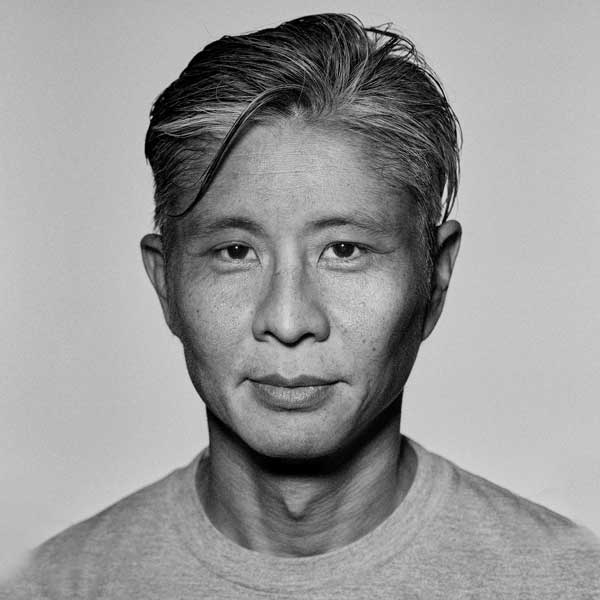
藤元明 |Akira Fujimoto
Profile | プロフィール
関わるアートプロジェクト
「NEW RECYCLE®︎」2010〜
「ソノ アイダ」2015〜 www.sonoaida.jp
「TOKYO 2021」2016〜2020 https://www.youtube.com/@TOKYO-fk3qq
「FUTURE MEMORY」2017〜 https://futurememory.jp/
「陸の海ごみ」2019〜 https://vimeo.com/akirafujimoto