作田道隆|Michitaka Sakuta
人の目 土の目
In Human Eyes, Soil Eyes
July 10 – July 21, 2026
12:00pm-7:00pm
Closed: Wednesday & Thursday
Exhibition Final closes at 5:00PM
MEDEL GALLERY SHU HIBIYAでは、2026年7 月10日(金)より7 月21日(火)まで、作田道隆の個展「人の目 土の目」を開催いたします。
作田道隆は、土や既製品といった身近な素材を用いながら、人と物質、人と土地との関係性を探求する彫刻家です。現代社会の中で私たちが無意識に受け入れている価値観や認識を問い直し、「見る」という行為そのものに新たな視点を投げかけています。
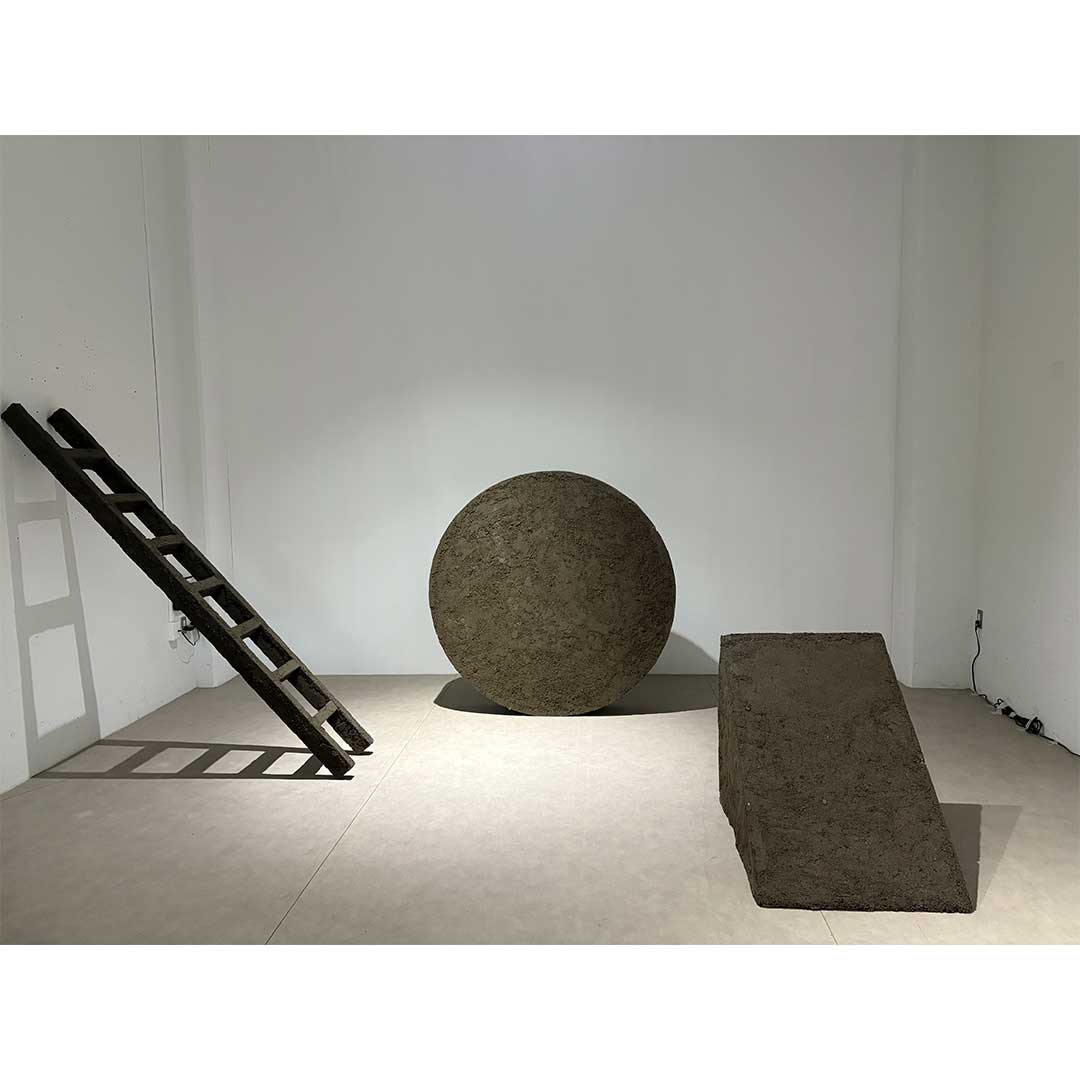
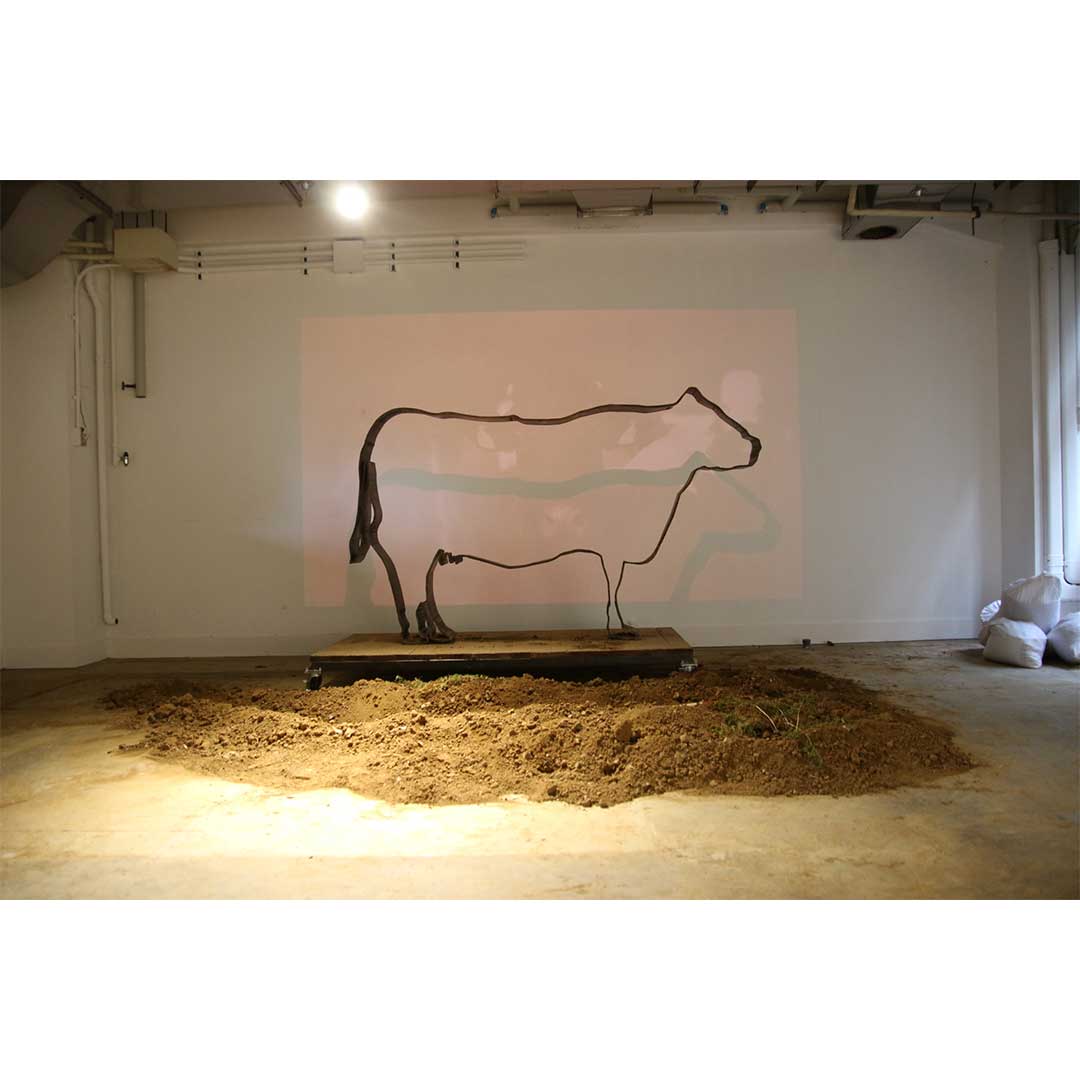
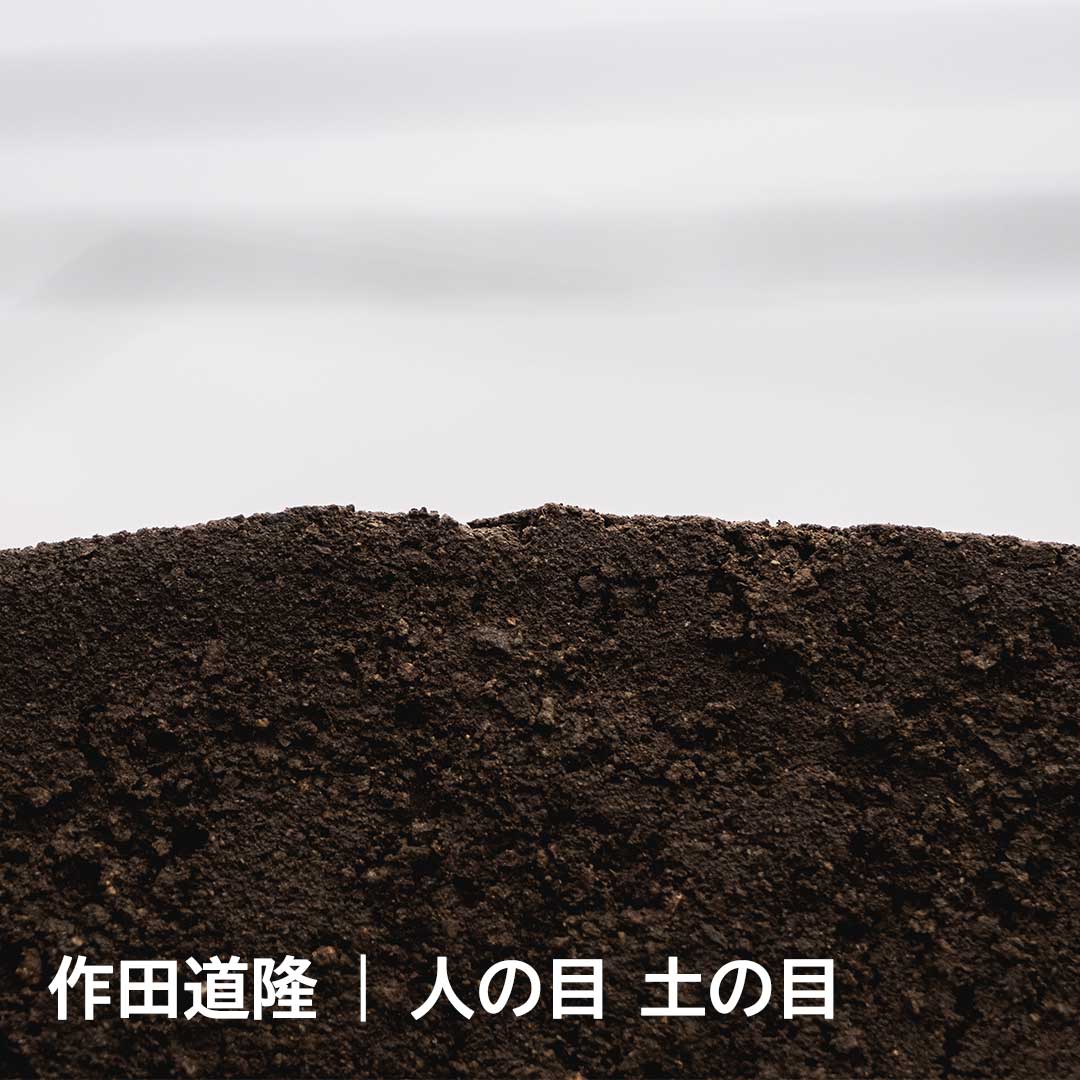
本展では、自身が生まれ育った土地で採取した土を用いた《Soil Eyes》シリーズを中心に構成。人間の視点と、長い時間をその場所にあり続けてきた土の視点とを重ね合わせながら、人と土地、そして世界との関係を静かに見つめ直します。
本展示では今まで制作してきたシリーズである
”Soil Eyes”を軸に構成した展示である。
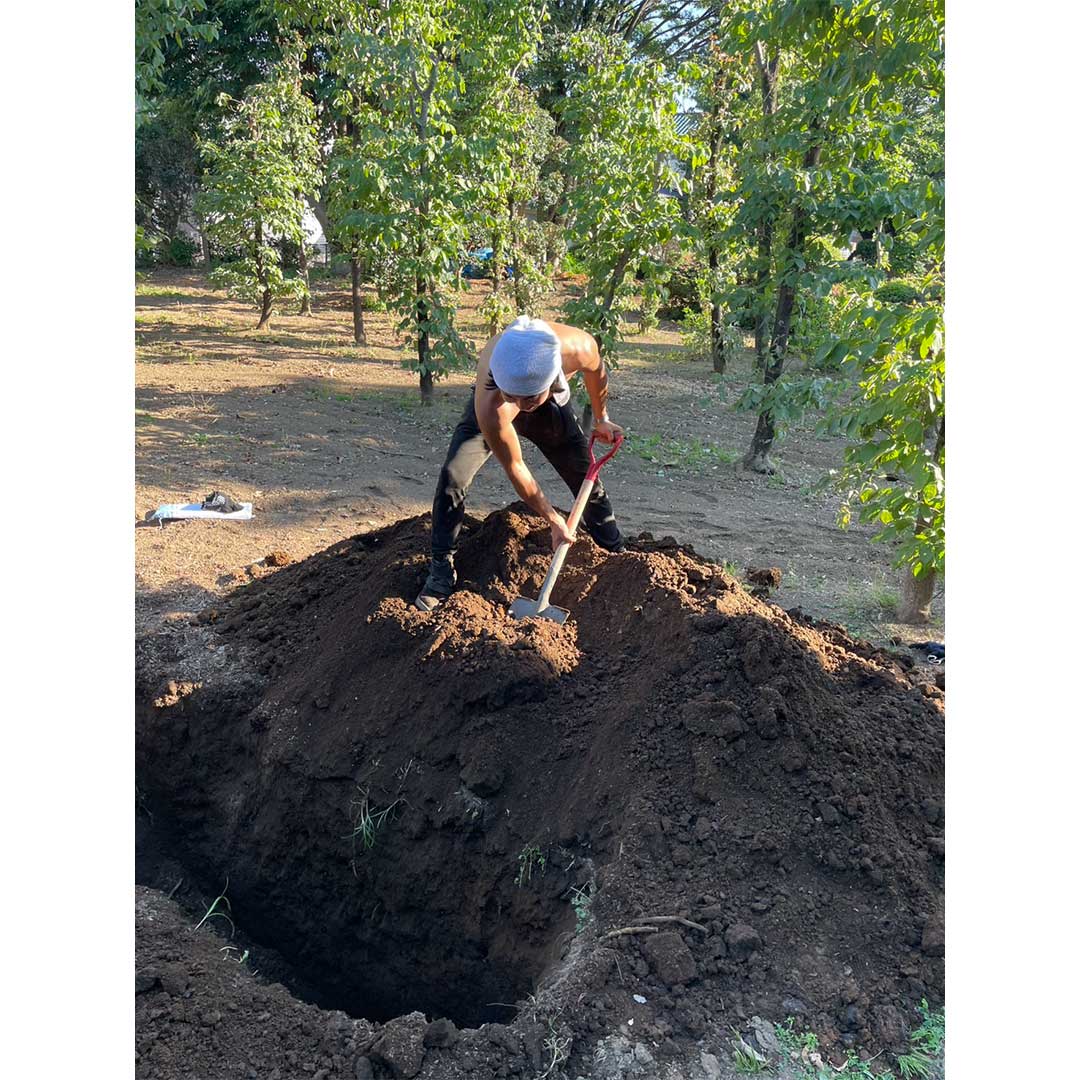
今回使用した土は、私が生まれ育った街である埼玉県草加市で採取したものである。制作にあたり、自らの足元へ立ち返ることは、自身のルーツを見つめ直す行為でもあった。同時に私は、その土地に積み重なった時間や記憶に触れるなかで、私たちの足元にある土にも、人と同様の「目」があるのではないかと考えるようになった。
土は移動することも、言葉を発することもない。しかし長い年月をかけて、その場所で起こる無数の出来事を受け止め続けてきた。人々の営み、生と死、開発と風化、記憶と忘却。そのすべてを静かに蓄積してきた土は、世界を観測し続けるもう一つの「目」として捉えることができるのではないだろうか。
古来、人間は視覚を世界認識の中心に据えてきた。「百聞は一見にしかず」という言葉に象徴されるように、私たちは見たものを信頼し、その経験の積み重ねによって世界を理解している。しかし、その「見る」という行為は本当に人間だけの特権なのだろうか。
哲学者モーリス・メルロ=ポンティは、人間の知覚を主体と客体の対立ではなく、身体と世界との相互作用として捉えた。また和辻哲郎の風土論は、人間と環境が互いに影響し合いながら存在していることを示している。私たちは世界を見ているだけではなく、同時に世界の中に見られている存在でもある。
日本庭園における「見立て」の文化や、もの派の作家たちが示した物質へのまなざしもまた、人間中心の視点から離れ、土地や物質そのものが持つ時間へと意識を向ける試みであった。そこでは土や石は単なる素材ではなく、人間と同じく世界の一部を経験してきた存在として現れる。
本展”人の目 土の目”では、人間の視覚によって形成された世界像と、長い時間をその場にあり続けた土の視点とを重ね合わせる。人が土を見ているのか、それとも土が人を見ているのか。その境界は曖昧であり、両者は互いを映し合う関係の中にある。
私たちが当たり前のものとして見過ごしている足元の土は、何を見てきたのだろうか。そして、その土の目から見た人間の営みは、どのように映るのだろうか。本展は、その問いを通して、「見る」という行為そのものと、人と土地との関係をあらためて見つめ直す試みである。
作田道隆
人は世界を見ている存在であると同時に、その世界の一部として存在しています。作田道隆の作品は、普段見過ごしてしまう土地や物質、空間との関係に目を向けることで、「見る」という行為をより広い時間と環境の中へと解き放ちます。足元にある土へ視線を移したとき、私たちが当たり前に見てきた世界は、静かにその輪郭を変え始めます。
本展が、人と土地との関係、そして世界との新たな向き合い方を考える機会となれば幸いです。
MEDEL GALLERY SHU HIBIYA is pleased to present Human Eyes, Earth Eyes, a solo exhibition by sculptor Michitaka Sakuta, on view from July 10 through July 21, 2026.
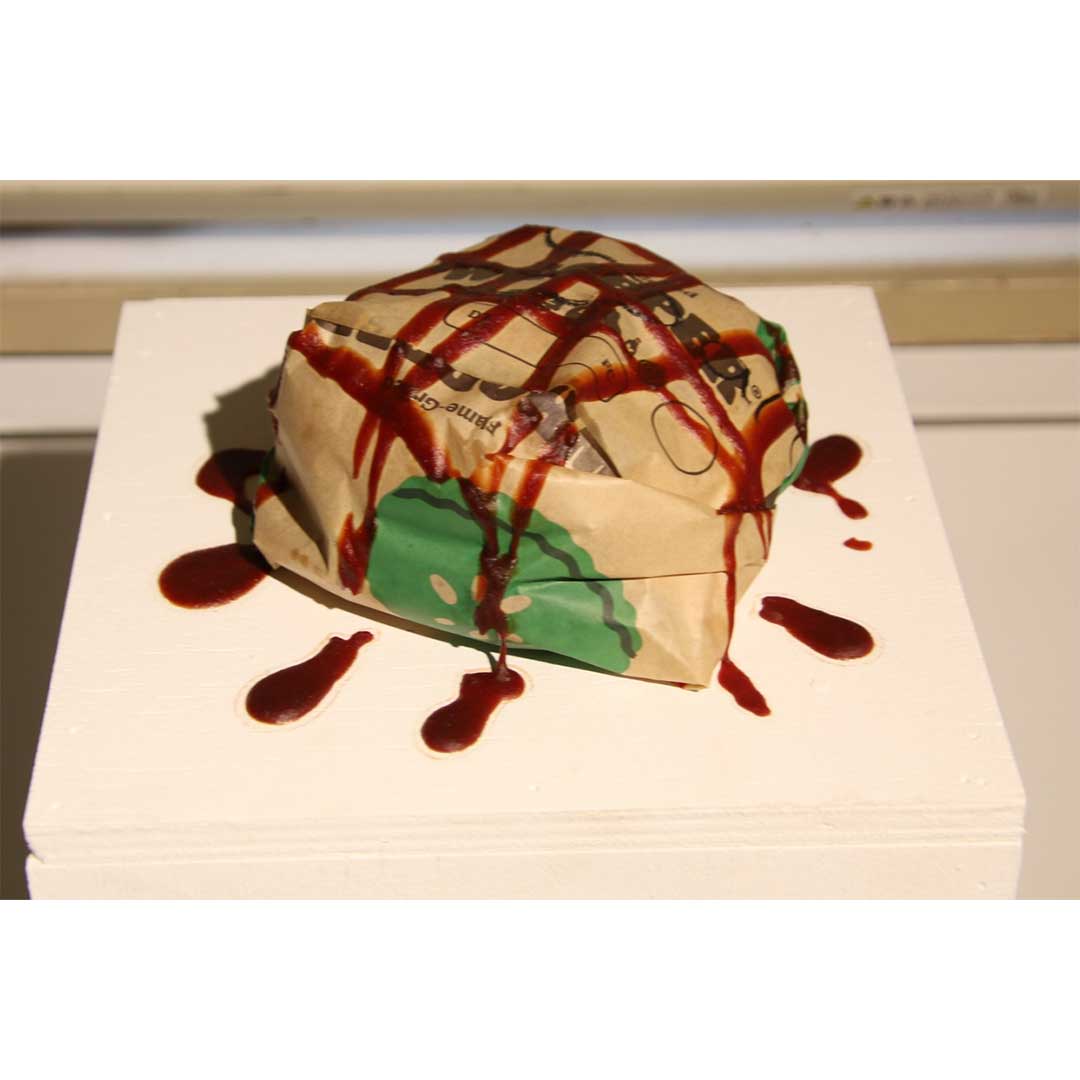
Michitaka Sakuta is a sculptor whose practice explores the relationships among people, materials, and the land through familiar media such as earth and everyday manufactured objects. His work challenges the values and assumptions we unconsciously accept in contemporary society, inviting viewers to reconsider not only what we see, but the very act of seeing itself.
This exhibition centers on Sakuta’s Soil Eyes series, created using soil collected from the region where the artist was born and raised. By bringing together the perspective of human beings with that of the earth—a material that has remained rooted in the same place across vast stretches of time—the works quietly encourage us to reflect on our relationship with the land and with the world around us.
Through Human Eyes, Earth Eyes, Sakuta offers a thoughtful meditation on memory, place, and perception, inviting visitors to experience the world through multiple viewpoints and to rediscover the profound connections between humanity and the earth beneath our feet.
The soil used in this exhibition was collected from Soka City, Saitama Prefecture, the town where I was born and raised. Returning to the ground beneath my feet through this process became an attempt to reconnect with my own roots. At the same time, as I engaged with the layers of time and memory embedded within that land, I began to wonder whether the soil beneath us might possess an “eye” much like our own.
Soil cannot move, nor can it speak. Yet over countless years it has remained in one place, quietly receiving and bearing witness to the events that unfold around it. Human activity, life and death, development and erosion, memory and forgetting—all of these accumulate within it. In this sense, soil may be understood as another eye, one that has continuously observed the world through the passage of time.
Throughout history, human beings have placed vision at the center of their understanding of reality. The Japanese proverb “Seeing once is better than hearing a hundred times” reflects our tendency to trust what we see and to construct our understanding of the world through visual experience. But is the act of “seeing” truly a privilege reserved only for humans?
The philosopher Maurice Merleau-Ponty described perception not as a separation between subject and object, but as an interaction between the body and the world. Similarly, Tetsurō Watsuji’s theory of climate and culture (fūdo) suggests that human beings and their environments are mutually constitutive. We do not merely look at the world; we also exist within it and are, in a sense, looked back upon by it.
The Japanese tradition of mitate (interpretive seeing) in garden design, as well as the attention to material presence found in the Mono-ha movement, likewise sought to move beyond a human-centered perspective and toward an awareness of the time and existence inherent in land and matter. Within these frameworks, soil and stone are not merely materials but entities that have experienced the world alongside us.
In Human Eyes, Soil Eyes, I bring together two perspectives: the world as constructed through human vision and the perspective of soil that has remained in the same place through vast stretches of time. Is it we who are looking at the soil, or is the soil looking at us? The boundary between these positions is uncertain, and the two become reflections of one another.
What has the soil beneath our feet seen? And how might human activity appear through the eyes of the soil? Through these questions, this exhibition seeks to reconsider the act of seeing itself and to explore the relationship between people and the land they inhabit.
Michitaka Sakuta

作田道隆|Michitaka Sakuta
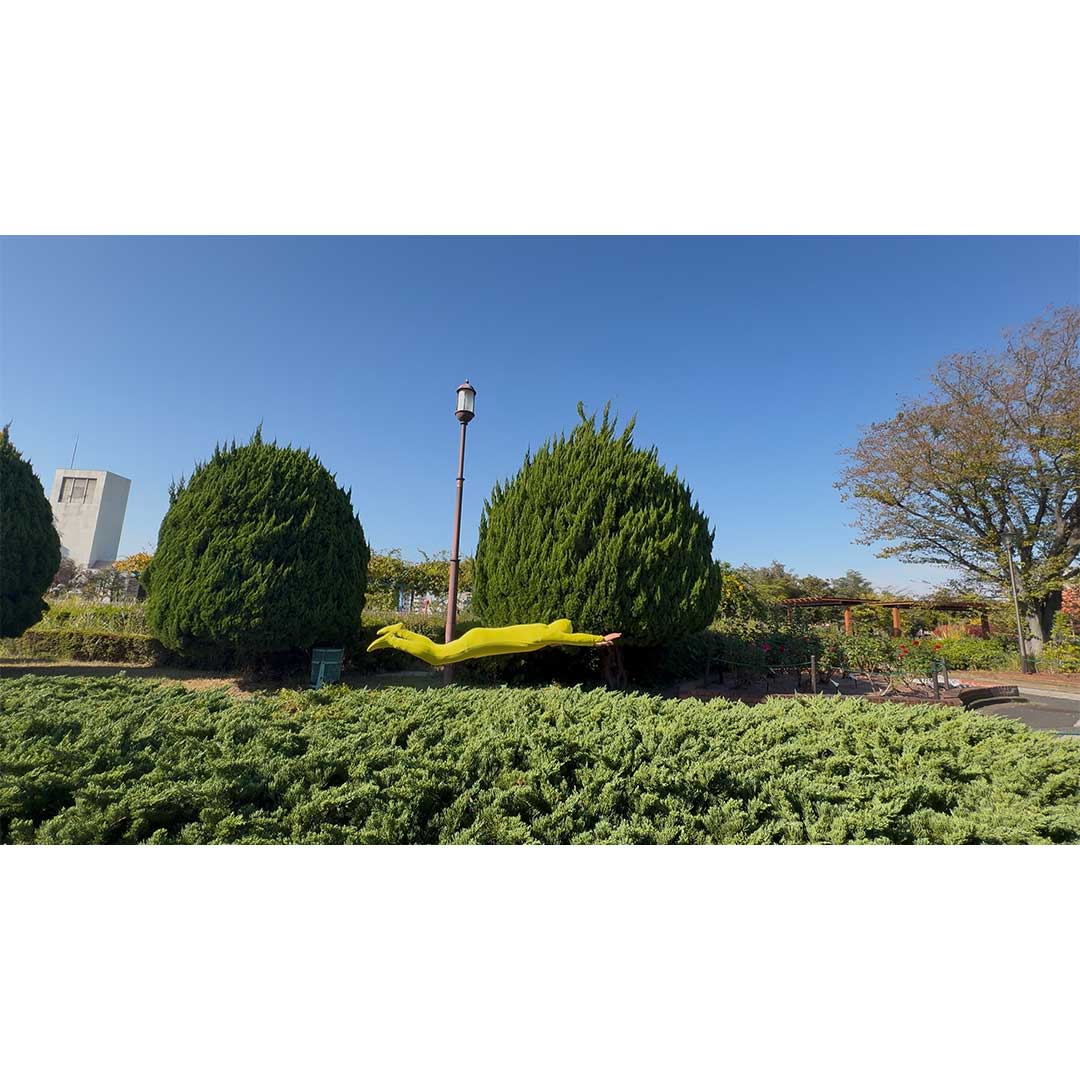
現代社会の中に漂う「空白」や「間」、身体性に着目し、レディメイドを用いた彫刻やインスタレーションを制作する。作品を鑑賞者と作家が対等な関係を生成するための媒体として捉え、人間中心的な価値観や認識を問い直す。
また、庭師としての経験をもとに、自然と社会の境界や土地が持つ時間性に関心を持つ。土や既製品などの身近な素材を用いながら、人と物質、人と土地との関係性を探求する。
Profile | プロフィール
2001 埼玉県生まれる
2019 浦和学院高校美術コース卒業
2023 東京藝術大学 彫刻科入学
現在 東京藝術大学学部 3年 (現25歳)
展示歴
2023年 LIVE SOUND INSTALLATION展
2024年 作田道隆 個展 Answer to Remember
ミュージックバー道 湯島
ソノアイダ東京大学
2025年 二人展 PICK UP
真鶴アートサイト×ソノアイダ